
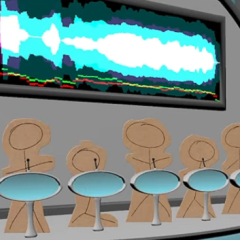
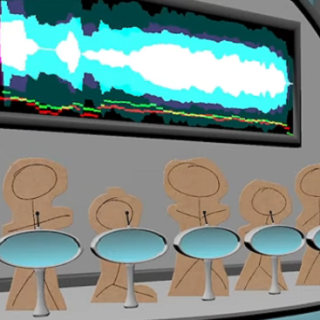



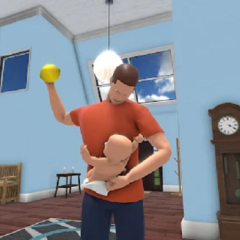




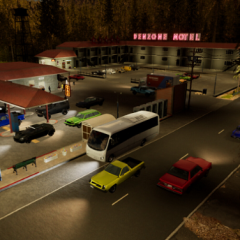
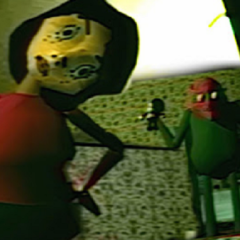





The Choicer Voicer is structured less like a conventional game and more like a configurable voice-performance system. The player is given an audio sample, listens to how it is delivered, and then records an imitation through a microphone. Instead of progressing through missions or fighting opponents, the goal is to reproduce voices, sounds, and short lines and then see how the performance is rated. The result is presented through a game-show setup with a contestant, host, studio, and five judges. There is no story campaign or fixed ending, so each session is defined by the clips and custom content selected before play.
A Performance Can Be Different Every Time
The normal game mode uses Voice Packs as its source of prompts. A pack can contain character dialogue, reactions, unusual speech, sound effects, memes, game voices, or any other short recordings prepared for imitation. The player hears one of these samples, records a response, and then receives a score.
The basic flow is straightforward, but the material can make one session very different from another:
- Listen to the original clip.
- Record an imitation with the microphone.
- Receive the judges’ evaluation.
- Continue with another prompt.
- Compare scores across several attempts.
- Switch Voice Packs when a different set of clips is wanted.
The Choicer Voicer also supports local multiplayer for up to four people. Players take turns rather than performing at the same time, which allows everyone to attempt the same general type of challenge while receiving separate results. Twitch-related modes add another variation by involving viewers through chat and voting features.
There is no requirement to play packs in a specific order. One session can use a collection based on a single character, while another can combine clips from several games, shows, or internet sources. This makes the installed Voice Packs more important than any traditional level sequence.
Customizing the Entire Game Show
Voice clips are only one layer of customization. The visual and audio presentation around the performance can also be changed with separate content packs.
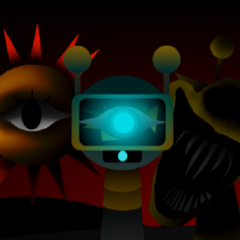
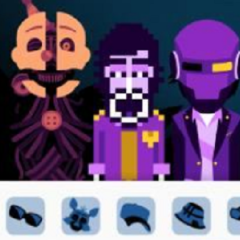
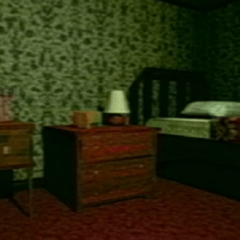
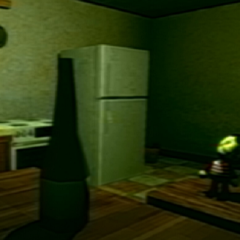
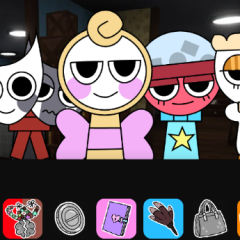
Contestant Packs replace the player character and can include custom reactions. Judge Packs change the five-person panel, while Host Packs replace the presenter. Studio Packs provide different 3D environments for the show, and Menu Packs alter parts of the interface. Chatter Packs are designed for Twitch-related audio interactions.
These packs work independently. A player can use a Voice Pack from one series while selecting a contestant, judges, and studio from unrelated themes. Compilation Packs can also bundle several types of content together, making it possible to install a larger themed setup in one package.
Dub Mode Moves Beyond Single Clips
Dub Mode uses the same microphone-focused idea in a different format. Instead of performing isolated prompts, the player works with a video scene supplied by a Dub Pack. The scene is divided into dialogue segments, and the player records replacement lines that are synchronized with the video.
Clip-by-Clip dubbing separates the dialogue into smaller sections, while Freestyle Dub Mode allows a more continuous performance. Dub Packs can also include character information, captions, timing data, and a backing track that preserves music or sound effects.
Because of this, The Choicer Voicer can shift between two distinct types of voice gameplay. Standard sessions focus on short impressions followed by scores, while Dub Mode turns recorded performances into replacement dialogue for complete scenes. The underlying mechanic stays centered on listening and recording, but the pack system allows the surrounding content, characters, presentation, and format to change from one session to the next.
