


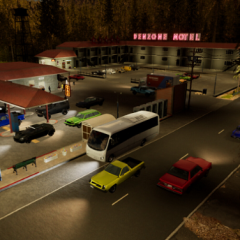
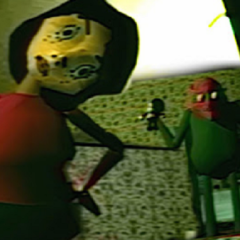
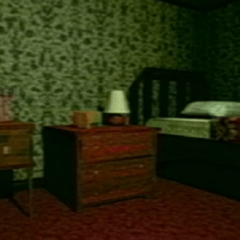
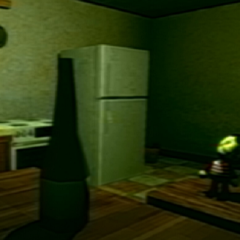


Environment And Initial Conditions
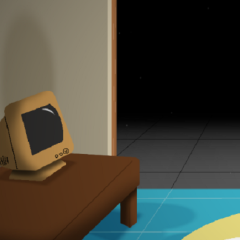
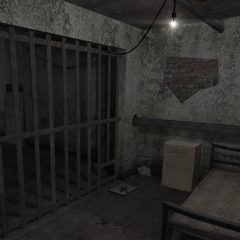
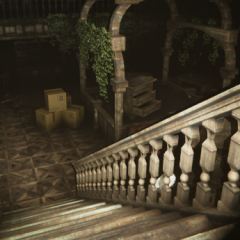
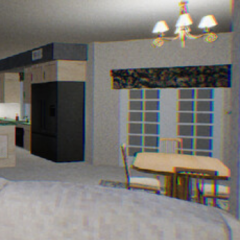
The game world is presented as a limited facility made up of rooms, corridors, and functional areas connected by access restrictions. Each space serves a purpose, such as maintenance, control, or storage, and is designed to guide the player’s attention toward interactive elements. The robot starts with restricted capabilities, reinforcing the sense of confinement. Progress comes from learning how the environment functions rather than from acquiring traditional upgrades.
Core Gameplay And Player Actions
Gameplay centers on moving through the facility and manipulating objects to alter conditions. Controls are simple, allowing the player to focus on decision-making rather than execution. There are no enemies or timed sequences, which keeps pressure low and encourages experimentation. Throughout play, the player repeatedly interacts with systems such as:
- activating switches and control panels
- moving objects to create access routes
- observing cause-and-effect relationships
- testing different interactions with the same elements
These actions form a loop where understanding replaces reflexes as the main skill.
Puzzle Design And Logical Flow
Puzzles in Made a Self-Aware Robot Escape are environment-based and often interconnected. Solving one problem may change the layout or behavior of another area, encouraging players to think globally rather than locally. Solutions are rarely presented directly, requiring players to notice patterns and infer rules from feedback. This design rewards patience and careful observation, as repeated interaction often reveals hidden relationships.
Narrative Through Discovery
The story is communicated indirectly through the environment rather than through dialogue or cutscenes. Data logs, system messages, and altered spaces hint at the robot’s origin and the purpose of the facility. As the robot explores further, these elements suggest a gradual shift from programmed behavior to independent reasoning. Narrative progression is tied to exploration, allowing players to piece together meaning at their own pace.
