

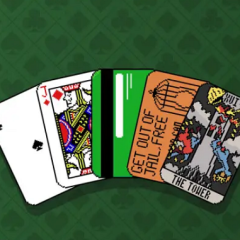










KARDS is a digital card game built around turn-based battles and deck management. Players take command of military forces represented through cards and face opponents in structured matches. The game is designed around strategic decision-making, where success depends on planning card usage and anticipating enemy actions. Each match follows a clear sequence of turns, allowing players time to consider positioning, resources, and long-term outcomes rather than relying on fast reactions.
Deck Building And National Identity
Before entering a match, players assemble a deck using cards tied to specific World War II nations. Each main nation offers a distinct set of units and orders, while an allied nation can be added to support the primary strategy. Deck construction requires balancing unit cards, which remain on the battlefield, and order cards, which provide immediate effects. Choices made at this stage strongly influence how a match unfolds, since decks define available tactics and limitations from the first turn onward.
Battlefield Layout And Resource Use
Matches in KARDS take place on a battlefield divided into rows that represent different levels of engagement. Units are deployed to support positions and can later advance toward the front line. A resource system controls how many cards can be played per turn, with available resources increasing gradually. This structure forces players to plan several turns ahead, deciding whether to deploy new units, move existing ones, or reserve resources for reactions. Poor resource planning can limit options later in the match.
Core Turn Actions And Player Choices
During each turn, players perform a series of actions that determine momentum and control. Common actions include:
· playing unit cards onto the battlefield
· spending resources to activate orders
· advancing units toward contested positions
· attacking opposing units or defenses
· holding cards to respond on later turns
These decisions repeat every turn and shape the overall flow of the match, making timing and order of actions critical.
Game Modes And Match Variety
KARDS offers multiple modes that use the same core rules but encourage different approaches. Ranked matches focus on competitive play and ladder progression, while casual modes allow experimentation with new decks. Draft-style modes challenge players to build decks from limited selections, emphasizing adaptability. Single-player and practice options provide controlled environments for learning mechanics without competitive pressure.
Progression And Long-Term Play
The game does not include a story-driven ending. Progression is tied to expanding a card collection, refining deck strategies, and improving performance across modes. Players unlock new cards through regular play and challenges, enabling gradual experimentation with different national combinations. Replay value comes from adjusting deck builds, responding to balance updates, and facing opponents with varied strategies. This structure supports long-term engagement without requiring continuous play sessions or linear completion goals.
