
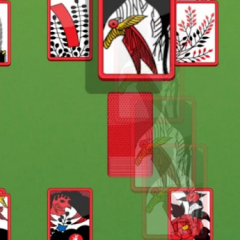
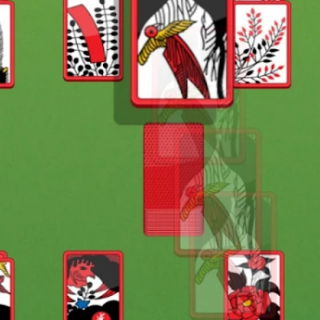


























Go Stop is a traditional Korean card game played with a hwatu deck made up of illustrated flower cards representing the twelve months of the year. The game is commonly played by two or three players and is structured around short, repeatable rounds rather than long sessions. Each player attempts to collect specific card combinations in order to score points, while also watching opponents’ progress. The name of the game reflects its core decision point, where players must choose whether to end a round or continue and risk losing their advantage.
Card Setup And Initial State
At the beginning of a round, the cards are shuffled and dealt to the players and the table. Each player receives a hand of cards, while a set number of cards are placed face up in the center. The remaining cards form a draw pile. From the start, players assess the visible table cards and their own hands to identify early opportunities. Certain starting arrangements, such as multiple cards from the same month, may trigger special conditions depending on the agreed rules, influencing how the round develops.
Turn Order And Core Actions
Gameplay proceeds in turns, with each player performing a fixed sequence of actions. A turn usually involves playing one card from the hand to the table, attempting to match it with a card of the same month. After that, the player draws a card from the deck and tries to match it as well. Successful matches allow the player to capture cards and place them in a personal collection area. During normal play, participants repeatedly interact with the following elements:
· matching hand cards with table cards by month
· drawing and resolving a card from the deck
· capturing matched cards into a scoring area
· tracking opponents’ captured combinations
These actions define the rhythm of the game.
Scoring Structure And Risk Choices
Scoring in Go Stop is based on collecting certain types of cards and reaching defined thresholds. Card categories such as bright, animal, ribbon, and junk contribute differently to a player’s total. Once a player reaches the minimum score, they must decide whether to stop the round or declare “go” and continue. Choosing to go increases potential rewards but also raises the stakes, as opponents may overtake the score and cause penalties.
Strategy And Player Awareness
While chance plays a role through card draws, player awareness and timing strongly influence outcomes. Watching which cards opponents collect helps determine whether it is safe to continue. Strategic decisions often revolve around denying opponents key cards or pushing for higher scores at the right moment. Because information is partially visible, players must balance calculation with risk assessment.
