
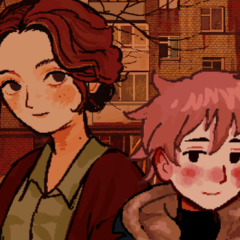
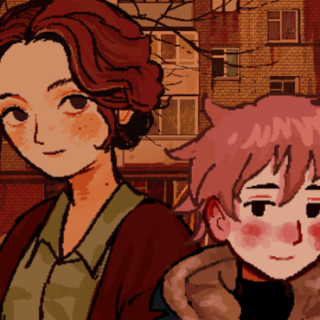



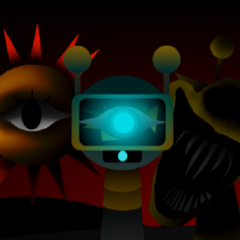
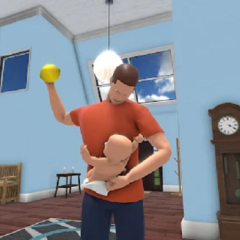
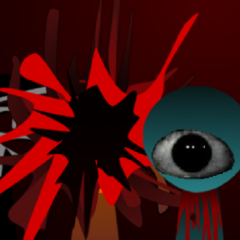
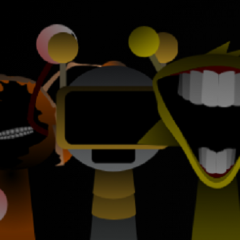
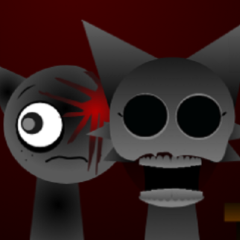






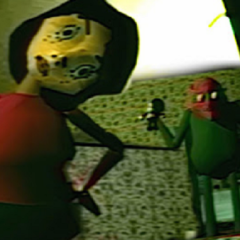
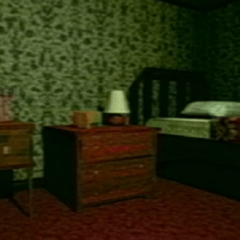
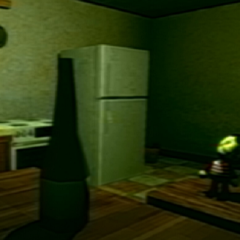







Flesh, Blood, & Concrete places the player inside an enclosed urban structure where exploration replaces traditional objectives. From the opening moments, movement through unfamiliar spaces becomes the primary action, with no clear guidance on purpose or outcome. The environment itself functions as the main source of information, presenting locations that change in tone and structure as progress continues. Rather than pushing the player forward through explicit goals, the game relies on curiosity and attention to surroundings to drive engagement.
Environment And Spatial Progression
Navigation takes place within a multi-level building composed of corridors, rooms, and transitional areas. Each space is designed to be explored slowly, encouraging observation rather than speed. Objects and architectural details often signal that the environment is not static, as repetition and distortion become part of progression. There are no maps or markers, which reinforces reliance on memory and spatial awareness. Movement is simple, but the layout gradually becomes less predictable, requiring careful tracking of previously visited areas.
Interaction And Narrative Delivery
Interaction is limited to examining objects, triggering dialogue, and moving between locations. The narrative is not delivered through direct exposition but through fragmented encounters and environmental cues. Conversations provide context without explaining events fully, leaving interpretation open. The absence of conventional mechanics such as combat or puzzles keeps attention on atmosphere and meaning rather than problem solving.
During typical exploration, the player repeatedly engages with the following actions:
· moving between interconnected rooms
· examining objects for contextual information
· triggering dialogue sequences
· observing changes in familiar spaces
These interactions define progression and replace standard gameplay systems.
Tone And Thematic Structure
The tone of Flesh, Blood, & Concrete is shaped by isolation and uncertainty. Visual repetition, confined spaces, and subtle changes in layout contribute to a sense of instability. Themes are suggested rather than stated, and meaning is constructed through accumulation of details rather than narrative clarity. The game avoids definitive answers, allowing players to form individual interpretations based on what they encounter.
The interface is minimal and functional. Controls focus solely on movement and interaction, with no overlays that distract from the environment. Text is presented sparingly, and visual feedback is integrated directly into the world. This design choice keeps attention anchored to space and movement instead of menus or indicators.
