





Navigation Without Guidance
The structure of the interface replaces traditional movement mechanics. Plushy’s Playground presents clickable sections, videos, and visual elements that act as pathways to new content. Players are not told where to go, so navigation depends on curiosity and repeated interaction with available components. Some elements appear inactive until certain conditions are met.
Over time, the interface begins to change. Pages may update, objects can shift, and new options may appear after revisiting earlier sections. This behavior suggests that the system reacts to user input, creating a sense of progression without explicit indicators.
Distributed Puzzle Elements
The puzzle design is based on fragmented information. Clues are spread across multiple pages and formats, requiring players to connect them manually. Plushy’s Playground avoids direct problem statements, instead relying on patterns, repetition, and hidden triggers. Understanding how different pieces relate becomes the key to progression.
Typical interactions involved in uncovering content include:
- searching for hidden clickable areas
- comparing recurring symbols across pages
- replaying media to notice subtle differences
- analyzing altered or incomplete text
- activating sequences through repeated actions
This structure emphasizes attention and pattern recognition rather than direct challenges.
Indirect Storytelling
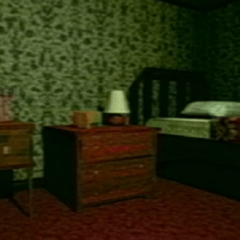
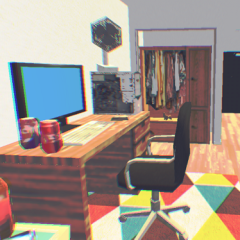
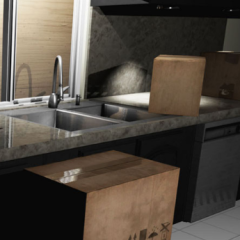
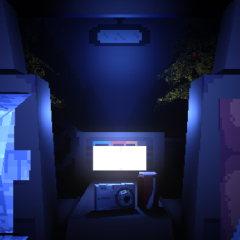
Narrative elements are presented without a linear structure. Plushy’s Playground reveals its story through scattered fragments, visual inconsistencies, and system responses. The environment initially resembles a harmless digital playground, but underlying details gradually introduce a different context. Players are required to interpret these changes independently.
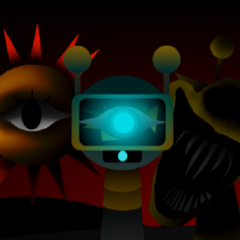
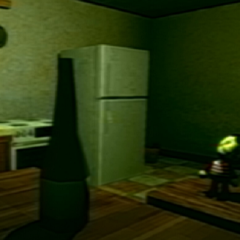
A recurring figure appears within various parts of the interface. This presence is integrated into the system and is connected to the unfolding narrative. Information about this figure is revealed indirectly through repeated encounters and hidden details.
Evolving System Behavior
The system changes depending on player interaction. Certain actions unlock new areas, while others modify existing content. This creates a responsive environment where progress is tied to exploration rather than completion of tasks. The interface may simulate instability through glitches or unexpected transitions.
There is no fixed ending or final objective. Plushy’s Playground focuses on continuous discovery, where each interaction reveals additional layers instead of concluding the experience.
