
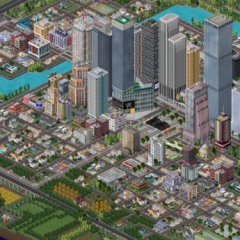
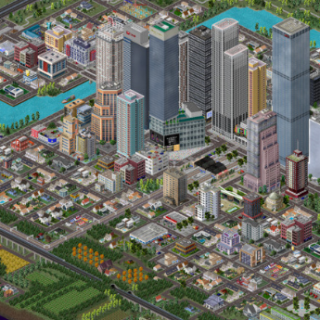














TheoTown is a city-building simulation where the player is responsible for planning, constructing, and managing urban areas. The game places the player in control of land development, population growth, and economic balance. Starting from a small settlement, the city expands as new zones and infrastructure are added. There is no predefined victory condition, and progress depends on how effectively systems are maintained over time.
Zoning Logic And Urban Growth
City development in TheoTown begins with zoning decisions that define how land is used. Residential zones attract citizens, commercial zones provide services and jobs, and industrial zones support production. These zones must be connected through road networks to function correctly. Demand changes based on population size, service availability, and traffic flow. Poor zoning placement can slow growth or cause long-term problems, which makes planning a continuous process rather than a one-time decision.
Infrastructure And Service Management
As population increases, infrastructure becomes essential to keep the city operational. Power plants, water systems, and waste management facilities must cover all active zones. Transportation systems such as roads, railways, and public transit reduce congestion and improve efficiency. Public services like hospitals, fire stations, and police departments directly affect citizen satisfaction. The player must balance construction costs with tax income to avoid financial instability.
Core Gameplay Activities
Daily management in TheoTown revolves around repeated actions that shape city performance. Players regularly engage in activities such as:
· placing and adjusting zone layouts
· expanding road and transport networks
· supplying electricity and water
· building emergency and public service facilities
· reacting to population demands and warnings
These actions form the main gameplay loop and are revisited as the city grows in size and complexity.
Events And System Reactions
The game includes events that disrupt normal operation and require immediate response. Natural disasters, fires, and traffic overloads can appear depending on city layout and service coverage. These situations test how well systems are prepared rather than introducing random outcomes. Long-term neglect of infrastructure often results in recurring issues, reinforcing the importance of consistent management rather than rapid expansion.
Sandbox Structure And Replay Use
TheoTown is structured as a sandbox without a linear storyline. Players can create multiple cities with different layouts and priorities. Maps vary in terrain and size, encouraging alternative planning approaches. User-created plugins allow additional buildings and systems to be added, extending gameplay options. Replay value comes from experimenting with new city designs, adjusting strategies, and managing cities over long periods without a fixed endpoint.
