
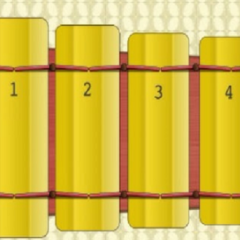
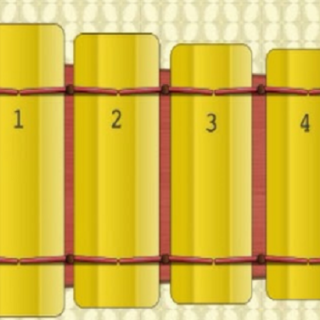










Gamelan is an interactive music game concept that translates the structure of traditional ensemble performance into a digital format. The experience focuses on participation rather than competition, asking players to engage with rhythm, repetition, and coordination. Instead of progressing through levels or objectives, players interact with virtual instruments that respond immediately to input. The emphasis is on listening and timing, where each action contributes to a larger musical pattern rather than producing an isolated result.
Musical Logic And Cyclical Design
At the core of Gamelan is a cyclical structure based on repeating musical phrases. Gameplay reflects this by organizing interaction into loops that restart and evolve over time. Each loop represents a complete musical cycle, and player actions are aligned to fixed timing points within that cycle. Rather than rewarding speed or precision with scores, the system reinforces consistency and awareness of rhythm. This design shifts attention from outcome to process, encouraging players to stay engaged with sound relationships.
Interaction Model And Player Roles
Players interact with Gamelan through simple inputs such as taps, clicks, or controller actions that trigger sounds. Each input corresponds to a specific instrument or tonal element. Some versions allow players to focus on a single role, while others permit switching between parts. In the middle of a session, players commonly engage with systems such as:
· triggering rhythmic or melodic instruments
· following visual or audio timing indicators
· layering sounds across repeating cycles
· choosing between guided patterns and free input
These elements support structured participation without requiring formal musical training.
Learning Through Listening And Repetition
Gamelan is designed to be approachable for users with no prior knowledge of music theory. Visual cues often indicate when interaction is expected, helping players align actions with the underlying rhythm. Over time, these cues can be reduced or removed, allowing players to rely on listening instead. Because there are no penalties for mistakes, learning happens through repetition and adjustment. The absence of failure states lowers pressure and supports experimentation.
Digital Spaces And Shared Play
Some implementations introduce shared environments where multiple players contribute simultaneously. Each participant controls a different part of the ensemble, requiring attention to others’ timing and output. This cooperative setup mirrors real-world ensemble dynamics, where coordination matters more than individual control. Digital spaces make it possible to experience this interaction without physical instruments or co-location.
