




























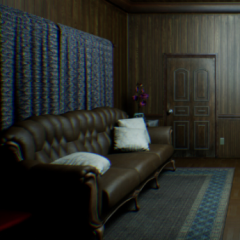


My Dear Prince begins as a text-based interaction experience where communication forms the core of progression. From the first message, the player takes part in an ongoing exchange that unfolds over time rather than within a single session. There are no traditional controls, objectives, or challenges, as the experience relies entirely on written responses and timing. Engagement is designed to fit into daily routines, with interactions spaced out to encourage regular but brief participation.
Dialogue System And Response Timing
The dialogue system is structured around receiving messages and choosing how to respond. Each response option reflects a different attitude or intention, but consequences are not always immediate. Timing plays an important role, as replies may arrive at specific moments rather than on demand. This structure removes pressure to act quickly and instead rewards consistent attention. The system does not provide explicit indicators of correct or incorrect choices, keeping the focus on interpretation rather than optimization.
Progression Through Interaction
Progression in My Dear Prince is built on accumulated dialogue rather than visible progress bars or statistics. New topics and message patterns appear as conversations develop, shaped by earlier responses. The game avoids clear branching markers, allowing changes to feel gradual and contextual. Players are encouraged to remember previous exchanges and adapt their tone accordingly. Core interactions that define progression include:
· selecting dialogue responses
· managing when replies are sent
· unlocking new conversational topics
· reviewing earlier message history
These elements remain constant throughout the experience and replace conventional gameplay systems.
Narrative Structure And Continuity
The narrative unfolds in fragments delivered through conversation rather than through scenes or chapters. Each exchange adds context and detail without resolving the story quickly. This structure supports long-term engagement, as progress depends on continued interaction over time. There are no abrupt endings or failure states, and the experience adapts to the pace set by the player’s availability rather than enforcing strict schedules.
The interface is designed to resemble a familiar messaging application. Text is clearly formatted, and visual elements are limited to essential details such as avatars and timestamps. Navigation focuses on conversation history and response selection, minimizing distractions. Notifications act as reminders rather than demands, allowing players to engage when convenient.
