
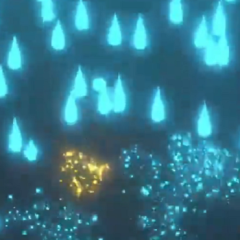
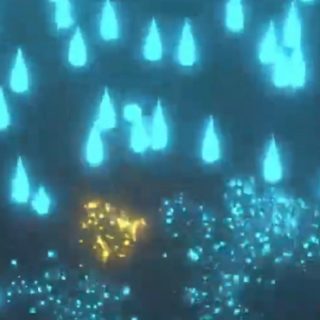












Storm Grill is a survival-focused game built around maintaining a single heat source during worsening weather conditions. From the first moments, the player is tasked with keeping the grill active while rain continuously threatens to shut it down. The experience is structured around short, repeatable runs where attention and prioritization matter more than speed or precision. Progress is not tied to completing stages but to lasting longer and improving future attempts through accumulated resources.
Core Gameplay Loop
Each run follows a clear and consistent structure. Rain falls toward the grill in increasing volume, and the player must actively remove these threats before they cause failure. Interaction is direct and repetitive, relying on simple input that becomes more demanding as conditions escalate. The storm intensifies gradually, which allows players to adjust within a single session rather than face sudden difficulty spikes. A run ends when the grill can no longer be protected, at which point earned resources are retained.
Progression And Upgrade Design
Between runs, Storm Grill shifts focus from reaction to planning. Currency gained through survival is spent on permanent upgrades that alter how future sessions unfold. These upgrades do not change the core mechanic but adjust its limits, allowing longer endurance or reduced pressure during heavy rain. The system encourages repeated attempts, as no single run provides enough resources to unlock everything at once.
During normal progression, players repeatedly engage with the following elements:
· clearing rain during active survival
· collecting currency based on time endured
· unlocking permanent improvements
· refining choices after failed runs
This loop defines long-term engagement without introducing additional mechanics.
Difficulty Growth And Balance
Difficulty scaling is handled through environmental pressure rather than new systems. Rain becomes denser and faster, requiring better prioritization rather than different inputs. Because mechanics remain unchanged, improvement comes from familiarity and smarter upgrade paths. Failure carries no penalty beyond ending the current run, which reinforces experimentation instead of caution.
The interface is minimal and designed to keep attention on the play area. Indicators for currency, upgrade access, and storm intensity are visible but unobtrusive. Menus between runs are straightforward, allowing players to return to gameplay quickly. There are no interruptions during active sessions, and feedback is communicated through visual changes rather than alerts.
